
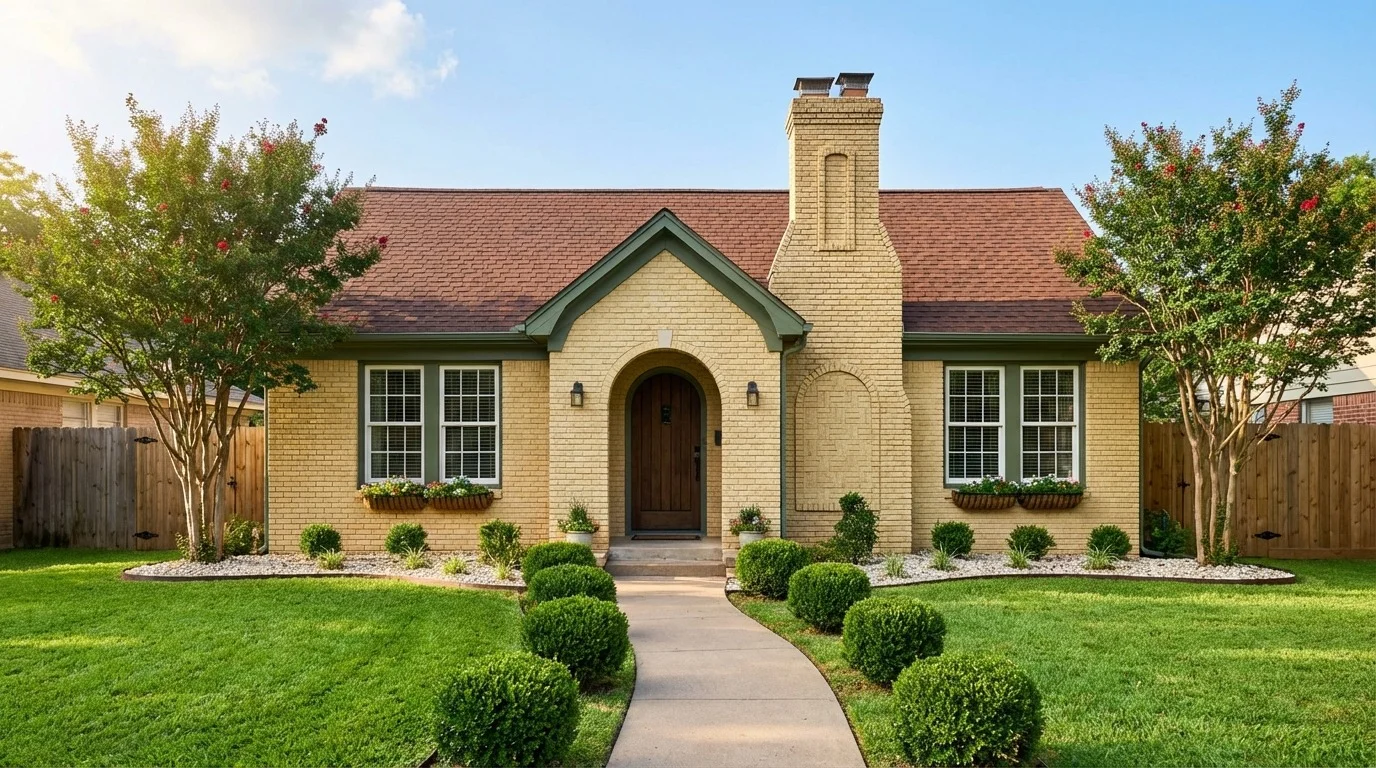
Your Guide to Property Buying and Sales in Dallas Fort Worth
This page walks you through the steps on both sides of the transaction. From getting pre-approved and prepping a listing to protecting your property value and closing with confidence, we cover what matters most.
What Should You Do First When Buying a Home in Dallas Fort Worth?
- Check your credit score and get pre-approved for a mortgage. This tells you exactly what you can afford. [1]
- Set a realistic budget that includes closing costs, property taxes, and insurance.
- Choose a local real estate agent who knows the DFW market and your target neighborhoods.
- Identify areas that fit your commute, school needs, and lifestyle. Frisco, McKinney, Arlington, and Mesquite are popular starting points.
- Tour homes and submit a strong offer with your agent's guidance. [2]
- Schedule a home inspection and appraisal before closing. [4]
- Review all documents with your agent and close on your new home. [3]
Smart Buyers in Dallas Fort Worth Start with These Steps
The DFW housing market is hot and has been for some time. Homes in Frisco, McKinney, and Southlake attract multiple offers within days of listing. If you are not ready when the right home hits the market, someone else will be. A clear plan puts you ahead of most buyers before you ever step foot in a showing.
Get pre-approved first. A pre-approval letter from your lender can show sellers you are serious and qualified. It also gives you a real number to work with and not a guess. The National Association of Realtors recommends getting pre-approved before you start touring homes so you can act quickly, especially in competitive markets like Dallas and Fort Worth. [1]
Set a budget that exceeds the sale price. Closing costs in Texas typically run 2% to 5% of the purchase price. Property taxes vary by county. A home in Dallas County and a home in Collin County at the same price can have very different monthly payments. The CFPB's Home Loan Toolkit breaks down these costs line by line so nothing catches you off guard. [5]
Work with an agent who knows the neighborhoods you are targeting. An agent in DFW should be able to tell you which streets flood, which school zones are being rezoned, and where new construction is driving up prices. That kind of detail does not show up on a listing page.
Buyer Readiness Checklist
| Step | Why It Matters | When to Do It |
|---|---|---|
| Get pre-approved | Shows sellers you are qualified | Before touring homes |
| Set your full budget | Avoids surprises at closing | During pre-approval |
| Choose a local agent | Local knowledge saves time and money | Before your first tour |
| Identify target neighborhoods | Narrows your search to what fits | First week with your agent |
| Review loan options | FHA, VA, and conventional have different rules | During pre-approval |
Homes in top-rated school districts across DFW sell faster and hold value better over time. If schools matter to your search, bring that up with your agent early.
Common Home-Selling Mistakes DFW Homeowners Should Avoid
Selling a home in Dallas Fort Worth should not feel like guesswork. We see many homeowners list before they are ready, only to sit on the market for weeks. Common mistakes can cost sellers time and money, and most are avoidable with the right guidance.
Overpricing is the number one issue. Every seller wants top dollar, but pricing above what the market supports scares off buyers in the first two weeks, which is when a listing gets the most attention. The New York Times reported that sellers who price correctly from day one tend to net stronger offers than those who reduce later. [6] Your agent should pull comparable sales in your specific neighborhood, not just your zip code.
Skipping repairs before listing is a close second. Buyers in DFW are cautious. If they see deferred maintenance during a showing, they start to assume there is more hiding behind the walls. Small fixes like patching drywall, servicing the HVAC, and replacing worn caulk around windows can go a long way.
Poor staging and bad photos cost you showings. Most buyers in DFW start their search on a phone screen. If your listing photos are dark, cluttered, or taken with a phone camera, buyers may scroll past. Professional photos, with the right light staging, can make the difference between 5 showings and 25.
Common Selling Mistakes and How to Avoid Them
| Mistake | What It Costs You | What to Do Instead |
|---|---|---|
| Overpricing the home | Fewer showings, longer days on market | Price based on local comps with your agent |
| Skipping pre-listing repairs | Buyers negotiate harder or walk away | Fix visible issues before the first showing |
| Low-quality listing photos | Buyers scroll past your listing online | Hire a professional photographer |
| Listing at the wrong time | Less buyer traffic, weaker offers | Target spring and early summer in DFW |
| Ignoring curb appeal | Bad first impression before buyers walk in | Fresh mulch, trimmed hedges, clean entry |
DFW's seasonal market peaks in spring and early summer. Sellers in Arlington, Plano, and Fort Worth benefit most from listing during those high-demand months. [1] [3]
What Decreases Property Value Most in the DFW Market
Knowing what lowers home value is just as useful as knowing what raises it. In the DFW market, certain issues come up again and again during appraisals and inspections. If you are buying, these are red flags to watch for. If you are selling, fixing them before listing puts more money in your pocket.
Foundation problems top the list in North Texas. The expansive clay soil across the DFW area shifts with moisture changes. Long dry spells followed by heavy rain create movement that cracks foundations, sticks doors, and separates brick veneer. The Appraisal Foundation's USPAP standards require appraisers to account for structural issues like this when determining value. [4] Foundation repair in DFW can range from $3,000 to $15,000 depending on severity.
Deferred maintenance signals neglect. A roof past its lifespan, an HVAC system running on borrowed time, or outdated plumbing can all lower an appraised value. Buyers and their inspectors look for these items, and lenders may flag them too.
Poor curb appeal affects perception before a buyer walks through the door. Overgrown landscaping, peeling paint, and a neglected driveway suggest the rest of the home has been ignored too. In neighborhoods where presentation matters, like Lake Highlands and Highland Park, curb appeal directly impacts how fast a home sells and at what price.
Top Factors That Lower Property Value in DFW
| Factor | Why It Hurts Value | DFW-Specific Note |
|---|---|---|
| Foundation damage | Structural risk lowers appraisals and scares buyers | Clay soil across North Texas causes shifting year-round |
| Deferred maintenance | Signals hidden problems and increases buyer risk | HVAC and roofs take a beating in DFW summers |
| Poor curb appeal | Reduces showing interest and first impressions | Landscaping in DFW needs heat-tolerant planning |
| Outdated systems | Older electrical, plumbing, or HVAC raises concerns | Homes built before 1990 in Garland and Mesquite often need updates |
| Nearby neglect | Neighboring properties in poor condition drag down comps | Common in areas with mixed owner-occupied and rental homes |
Properties in Lake Highlands and Highland Park tend to hold value well due to strong school ratings and walkability. On the buying side, spotting these red flags during tours helps you avoid costly surprises after closing.
How to Prepare Your Home for Sale in Dallas Fort Worth
Getting a home ready to sell takes more than putting a sign in the yard. Prepared homes attract more showings, stronger offers, and faster closings. In DFW, where buyer expectations are high and inventory moves quickly, the work you put in before listing day shows up in the final sale price.
Start with decluttering and deep cleaning. Buyers need to picture themselves in the space, and that is hard to do when every counter and closet is full. Pack away personal items, thin out furniture, and clean every surface. This is the lowest-cost, highest-return prep work you can do.
Handle repairs that will show up on an inspection. Leaky faucets, cracked grout, missing outlet covers, and HVAC filter changes are small fixes that send a big signal. Buyers in DFW expect homes to be well maintained, especially in competitive areas like Flower Mound and Grapevine. If your HVAC is older, have it serviced and keep the receipt. North Texas summers test every cooling system, and buyers will ask about it.
Invest in curb appeal that fits the season. Fresh mulch, trimmed hedges, and a clean walkway go further than most sellers expect. If you are listing in spring, add color with drought-tolerant plants that handle DFW heat. A pressure-washed driveway and a freshly painted front door make the kind of first impression that gets buyers through the door.
Consider a pre-listing inspection. In Texas, TREC-promulgated contracts require specific property disclosures. [3] A pre-listing inspection lets you find and fix problems before a buyer's inspector flags them. It also gives you documentation that shows buyers you have nothing to hide. The CFPB's Home Loan Toolkit outlines what buyers look for during the closing process, and knowing that list helps sellers prepare. [5]
Pre-Listing Preparation Checklist
| Task | Details | Expected Impact |
|---|---|---|
| Declutter and clean | Remove personal items, deep clean all rooms | More showings |
| Minor repairs | Fix leaks, patch walls, replace worn hardware | Fewer buyer objections |
| HVAC service | Professional tune-up, filter replacement, keep receipt | Buyer confidence in DFW heat |
| Curb appeal | Mulch, trim hedges, pressure wash, paint front door | Stronger first impression |
| Pre-listing inspection | Hire a licensed inspector before listing to find issues early | Fewer surprises in escrow |
| Professional photos | Hire a photographer for listing shots and virtual tour | More online clicks |
Homes in Flower Mound and Grapevine that show well from day one tend to receive offers within the first two weeks. The investment in preparation almost always comes back at the closing table.
A Local Agent Helps You Verify Every Detail Before Closing
Closing on a home in Dallas Fort Worth involves more paperwork, more deadlines, and more moving parts than most people expect. A missed detail at this stage can delay your closing, cost you money, or kill the deal entirely. This is where a local agent earns their fee.
The inspection and option period. Texas uses TREC-promulgated contracts that include a built-in option period. [3] This is a set number of days, usually 7 to 10, where the buyer can have the home inspected and back out for any reason. Your agent coordinates the inspection, reviews the report with you, and negotiates repairs or credits with the other side.
The appraisal protects your investment. Your lender orders an appraisal to confirm the home is worth what you are paying. In DFW, where prices have moved quickly in certain zip codes, appraisals sometimes come in below the contract price. When that happens, your agent helps you renegotiate or decide next steps. The Appraisal Foundation sets the standards (USPAP) that licensed appraisers follow. [4]
Title review and closing documents. DFW title companies handle closings differently than many other states. A title search confirms the seller has the legal right to sell and that there are no liens or claims on the property. The CFPB requires lenders to provide a Closing Disclosure at least three business days before closing so you can compare final numbers to your original Loan Estimate. [2]
The 6-month seasoning rule. Some loan types, including certain FHA and conventional programs, require the seller to have owned the property for at least six months before reselling. This comes up in DFW with investor-owned properties and flips. Your agent and lender will flag this early so it does not become a problem at closing.
The final walkthrough. Before you sign, you walk the property one last time. This is your chance to confirm that agreed-upon repairs were made, no new damage occurred, and the home is in the condition you expect. Your agent is there with you to document anything that needs attention before closing.
Typical Closing Timeline in DFW
| Stage | Timeframe | What Happens |
|---|---|---|
| Option period | Days 1–10 | Home inspection, negotiate repairs, buyer can exit |
| Appraisal | Days 7–21 | Lender-ordered appraisal confirms home value |
| Title search | Days 7–25 | Title company confirms clear ownership and no liens |
| Closing disclosure | 3+ days before close | Lender provides final cost breakdown per CFPB rules |
| Final walkthrough | 1–2 days before close | Buyer verifies condition and completed repairs |
| Closing day | Day 30–45 | Sign documents, transfer funds, receive keys |
A local agent who closes deals in DFW regularly already knows the title companies, inspectors, and lenders who keep transactions on schedule. That network matters when deadlines are tight.
Frequently Asked Questions About Property Buying and Sales in Dallas Fort Worth
What is the first step to buying a home in Dallas Fort Worth?
Get pre-approved for a mortgage before you start touring homes. A pre-approval letter tells you exactly how much you can borrow and shows sellers you are a serious buyer. Once you have that in hand, connect with a local real estate agent who knows DFW neighborhoods so you can narrow your search to areas that fit your budget, commute, and lifestyle.
What should I fix before selling my home in DFW?
Focus on curb appeal, HVAC servicing, foundation checks, and minor cosmetic updates first. These are the items that buyers and inspectors notice immediately. Replace worn caulk, patch drywall, and clean up landscaping. Your agent will walk through the home with you and recommend the repairs with the best return based on your specific neighborhood and price range.
What hurts property value the most in North Texas?
Foundation damage is the single biggest factor that lowers property value in the DFW area. The expansive clay soil causes shifting that leads to cracks, stuck doors, and uneven floors. Beyond that, deferred maintenance on roofs, HVAC, and plumbing also drags value down. Poor curb appeal and nearby property neglect can lower appraisals as well.
How long does it take to close on a house in Dallas Fort Worth?
Most closings take 30 to 45 days from accepted offer to keys in hand. Cash deals can close faster, sometimes in as little as two weeks. Your agent and title company coordinate the timeline and keep all parties on track. Delays usually come from appraisal issues, lender processing, or unresolved inspection items.
Do I need a real estate agent to buy or sell a home in Texas?
No, it is not legally required. But it is strongly recommended. A TREC-licensed real estate agent protects your interests, handles contracts, and manages negotiations on your behalf. In a market as large and fast-moving as Dallas Fort Worth, having a local agent means you have someone who knows the neighborhoods, understands the pricing, and can catch problems before they cost you money.
Citations
Ready to Buy or Sell in Dallas Fort Worth?
Let Rainbow Realtors guide you through every step. Contact us today for a free consultation.