
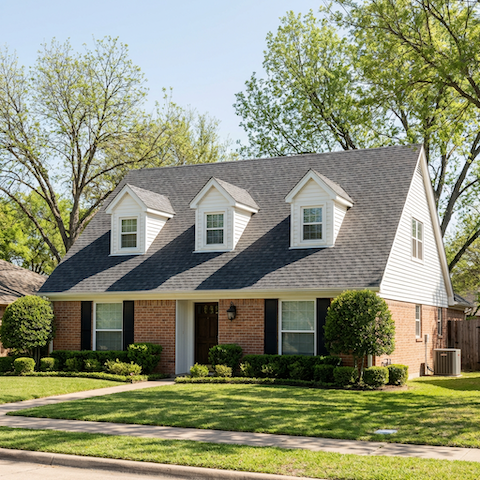
Sell Your Home in Dallas, TX with Confidence and Results
Selling a home in Dallas can take more than putting a sign in the front yard. In this market, it takes a strategic plan built around how it really works.
Whether you are in East Dallas, Oak Cliff, or anywhere across the city, our team at Rainbow Realtors helps Dallas sellers connect with qualified buyers and close with less stress. Consultations are available now at our office on Peavy Road.
Understanding How the Home Selling Process Works in Dallas
The whole thing starts with figuring out what your home is actually worth right now. Your agent will run a comparative market analysis, which just means they look at what similar homes nearby sold for recently. That gives you a realistic starting price.
Once you agree on a number, you sign a listing agreement and your home goes live. But before any of that, Texas law says you have to fill out a seller disclosure notice. The Texas Real Estate Commission has the standard form for it. It asks about the roof, past repairs, foundation issues, and a bunch of other stuff buyers want to know. Take your time with it, because rushing through it can cause headaches down the road.
After your home hits the market, your agent runs the showings and brings you any offers that come in. You review them, and once you accept one, the buyer usually schedules an inspection. There might be some back and forth on repairs or credits after that, and that is pretty normal.
Here in Dallas, closings go through a title company instead of an attorney, which is how most of Texas handles it. The whole process from accepted offer to closing day usually takes about 30 to 45 days. That timeline can stretch a bit depending on the buyer's loan or if the inspection turns up something unexpected. Our trusted partners include title companies and inspectors who keep things moving.
And if you are listing in the summer, just know that showing schedules shift a lot in July and August. Between the heat and the school calendar, families buying across DFW tend to push for closings before the school year kicks off.
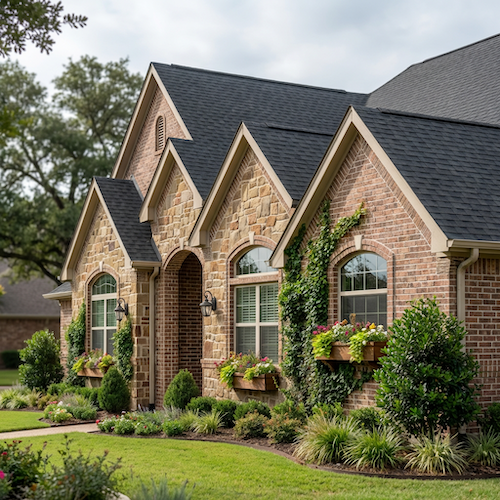
Knowing When Dallas Homeowners Should List for the Best Results
Timing matters, and in Dallas it matters more than people think. According to data from the National Association of Realtors, the busiest months for home sales across the country fall between April and June. Homes listed during that window tend to sell faster and closer to asking price.
Late fall and winter are a different story. November through January usually means fewer buyers looking and longer days on market. That does not mean you cannot sell during those months, but you should go in knowing the pace will be slower.
Dallas has one advantage over a lot of other cities though. The winters here are mild compared to places up north, so the seasonal slowdown is not as sharp. You will still get showings in December, just not as many as you would in April.
If you own a condo in areas like Uptown or Deep Ellum, you may see more steady demand year round. Young professionals in those areas tend to buy on their own schedule, not tied to the school calendar.
For family neighborhoods like Plano, Frisco, and Allen, the school calendar drives a lot of buyer timelines. Listings that go up in March or April tend to catch families who want to move over the summer and get settled before school starts.
Avoiding Common Mistakes That Hurt Your Dallas Home Sale
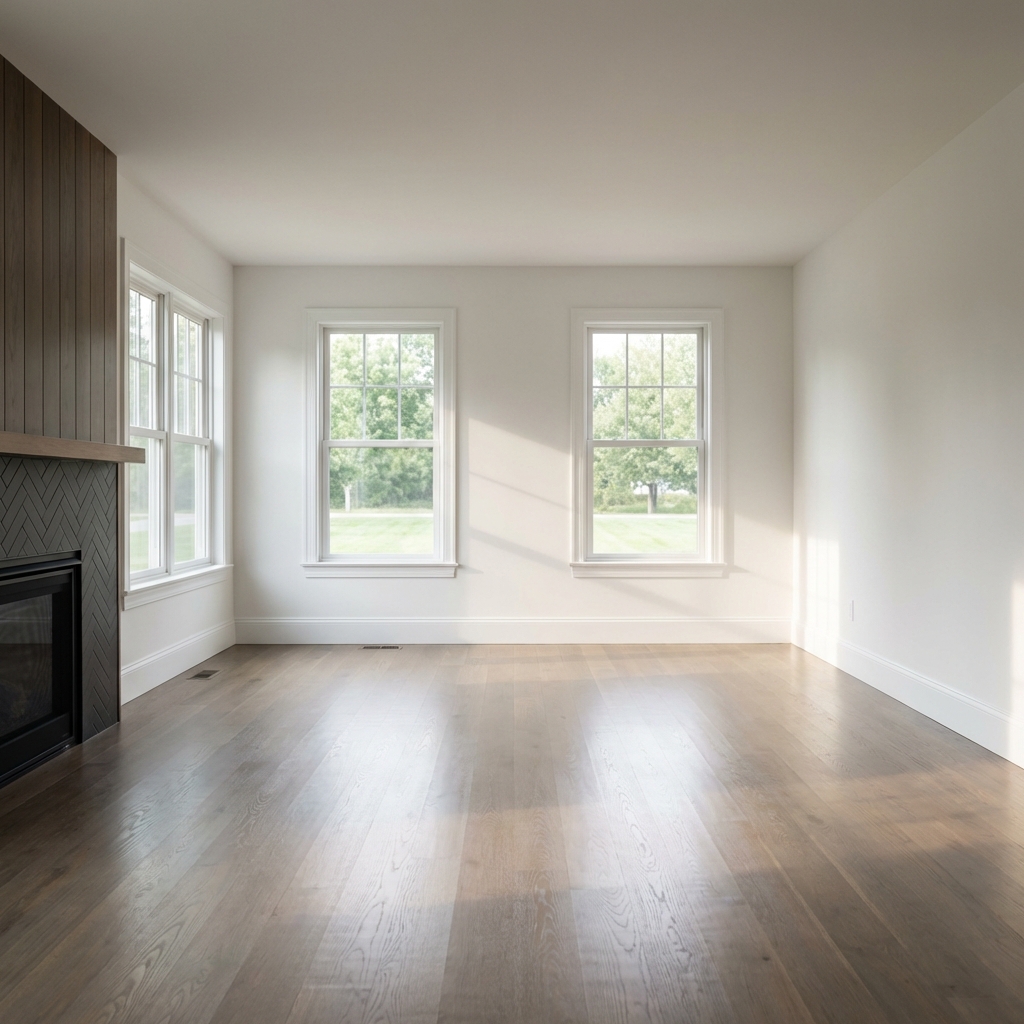
The biggest mistake sellers make is pricing too high out of the gate. It feels like you can always come down later, but that is not really how it works. Homes that sit on the market too long start to look like something is wrong with them, and price reductions send a signal to buyers that you are getting desperate.
Skipping staging is another one. Research from the National Association of Realtors shows that staged homes can pull in offers 1 to 5 percent higher than similar homes that were not staged. That is real money on a Dallas home sale.
Bad listing photos are a deal breaker in this market. Most buyers see your home online first, and if the photos are dark or taken with a phone, they scroll right past it. Professional photography is not optional if you want strong interest in the first week.
Curb appeal gets overlooked a lot too. If the yard is messy or the front door looks rough, buyers start forming opinions before they even walk inside.
In competitive neighborhoods like Lower Greenville and the M Streets, buyers compare finishes closely because there are so many active listings in a tight area. If your home looks tired next to the one down the street, it shows.
Protecting Your Home Value Before You List in Dallas
Deferred maintenance is the fastest way to lose money on a home sale. If the roof is aging, the HVAC has not been serviced, or there are plumbing issues you have been putting off, buyers will either walk away or knock their offer down to cover it.
Over-customizing your space can work against you too. Bold paint colors, very specific fixtures, or heavy themed rooms make it harder for buyers to picture themselves living there. Neutral finishes tend to attract more interest because they let people imagine their own stuff in the space.
Curb appeal sets the tone before anyone steps through the front door. Clean landscaping, a fresh coat of exterior paint, and a clear driveway go a long way.
In Highland Park and Lakewood, homes with mature trees and established lots carry a certain expectation. Buyers in those areas notice when the landscaping has been let go, and it can affect how they view the rest of the property.
Dallas sits on clay soil, and that means foundation movement is just part of owning a home here. If there are visible cracks in the walls or drainage problems around the perimeter, take care of those before you list. Buyers in this market are watching for foundation red flags, and a pre-listing inspection can help you get ahead of it.
Older homes along Swiss Avenue and in the East Dallas historic districts sometimes need updated electrical, plumbing, or HVAC systems behind the original exteriors. Preserving the character while making sure the systems work well is a balance, but it protects your value at the closing table.
What Makes a Home Sell Quickly in the Dallas Market
Three things drive fast sales more than anything else: professional photography, competitive pricing, and a strong marketing push in the first week.
Homes that are priced right from day one get the most attention in the first two weeks on market. That early window is when buyer interest peaks, and if you miss it because the price was too high, it is hard to get that momentum back.
Staging and decluttering help buyers see the potential of a space instead of getting distracted by personal items or clutter. Even small cosmetic updates like fresh paint or new hardware on cabinets can shift how a home feels during a showing. First-time buyers especially respond to move-in ready spaces.
In Preston Hollow and North Dallas, homes with pools or well-done outdoor living areas tend to photograph really well and move faster during spring and summer. Buyers scrolling through listings online respond to those kinds of images, and it gets them in the door sooner.
The DFW relocation market plays a role here too. Corporate transferees moving to Dallas are often on tight timelines, and they tend to gravitate toward homes that are turnkey and ready to go. If your home looks like someone could move in tomorrow, you are more likely to attract those buyers.
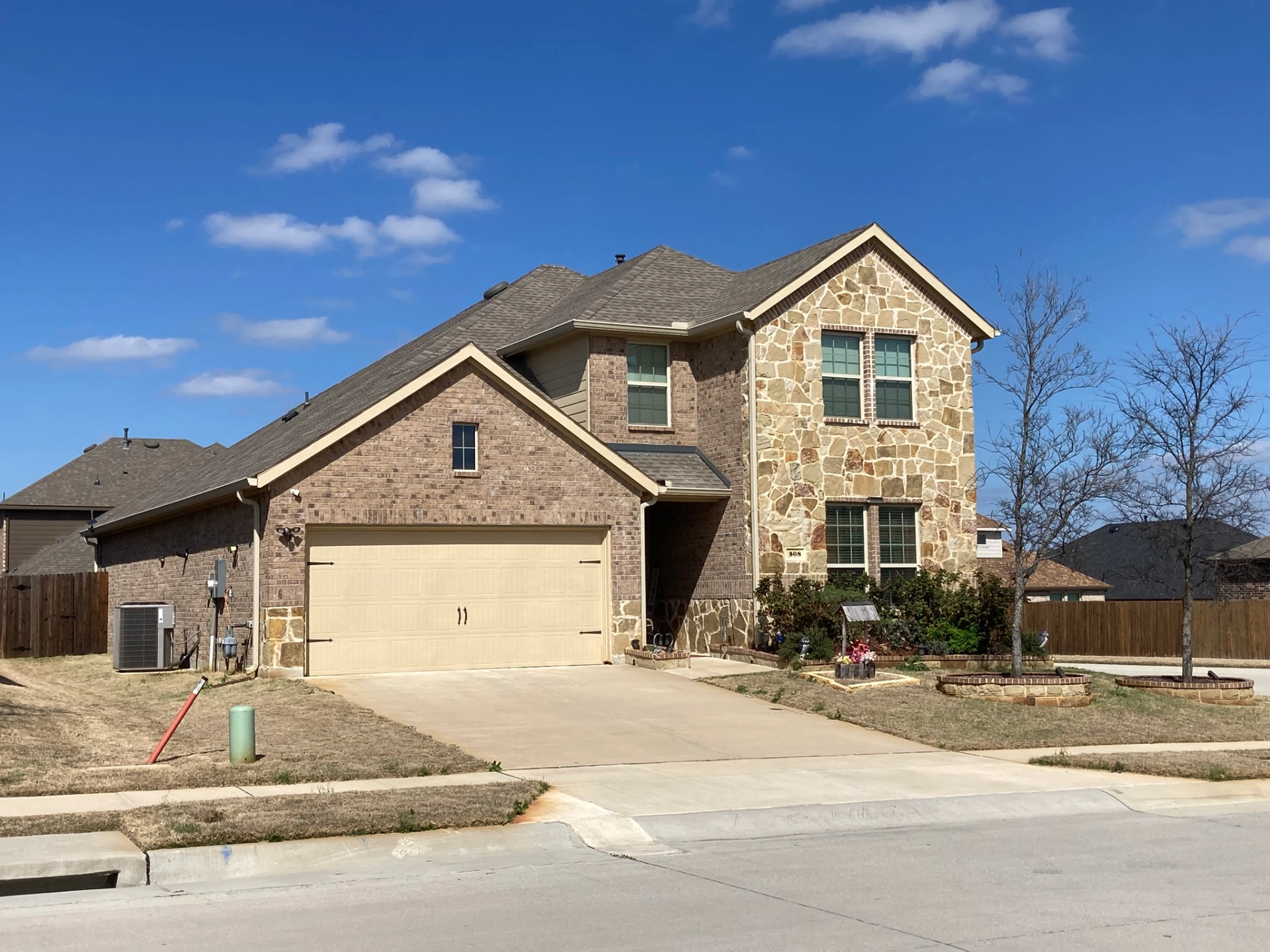
Capital Gains and the Home Sale Exclusion Dallas Sellers Should Know
If you have owned your home for a while, you may have built up a good amount of equity, and that is a great thing. But when it comes time to sell, some of that profit could be subject to capital gains tax.
The IRS has a rule under Section 121 that lets individual sellers exclude up to $250,000 in capital gains from the sale of a primary residence. If you are married and filing jointly, that number goes up to $500,000.
To qualify, you need to have owned and lived in the home as your primary residence for at least 2 of the 5 years before the sale. There are some exceptions and special situations, and IRS Publication 523 lays out the details along with worksheets you can use.
In Dallas, home values have gone up a lot over the past several years. If you have owned your home for a long time, your gains could be getting close to or even past those exclusion limits. That is when it really pays to sit down with a CPA or tax advisor before you list. Understanding how much house you can afford on your next purchase is also worth planning ahead for.
One other thing to keep in mind: if you used part of your home as a rental or for business through real estate investing, you might have depreciation recapture obligations. That is a separate issue from capital gains, and a tax professional can walk you through how it applies to your situation.
How Does Selling a Home in Dallas Work?
Selling a home in Dallas starts with setting a competitive list price based on a comparative market analysis. A local real estate agent then manages staging, marketing, showings, offer review, and negotiation. The process ends with a closing where title transfers to the buyer, typically within 30 to 45 days of an accepted offer. Read what past clients say on our testimonials page.
- •Complete a TREC seller disclosure notice before listing.
- •Schedule a pre-listing inspection to address repair items early.
- •Work with an insured real estate agency to manage contracts and timelines.
Get Your Free Dallas Home Valuation
Wondering what your home is worth in today's market? Request a free, no-obligation valuation and discover how much buyers in Dallas–Fort Worth are willing to pay.
Frequently Asked Questions About Selling a Home in Dallas–Fort Worth
How does selling a house work in Dallas?
It starts with a market analysis to set your price, then you sign a listing agreement and fill out a TREC seller disclosure notice. Your agent handles marketing, showings, and brings offers to you. Once you accept an offer, the buyer does an inspection, you negotiate any repairs, and then you close at a title company. Most Dallas transactions wrap up in 30 to 45 days from the accepted offer.
When is the best time to sell a home in Dallas?
Spring is the strongest window, with April through June seeing the most buyer activity according to NAR data. Dallas has milder winters than northern markets, so the seasonal slowdown is not as steep here, but fall and winter listings still tend to sit longer.
What should I avoid doing before selling my Dallas home?
Overpricing is the most common mistake, and it usually leads to price reductions that make buyers suspicious. Skipping staging, ignoring needed repairs, over-personalizing the decor, and using low quality listing photos all reduce buyer interest and can bring your final sale price down.
What hurts home value the most in the Dallas area?
Deferred maintenance on the roof, HVAC, foundation, or plumbing is the biggest value killer. Poor curb appeal, outdated kitchens and bathrooms, and heavily customized spaces that limit broad buyer appeal also drag down what buyers are willing to offer.
Can I exclude capital gains when I sell my Dallas home?
Yes, IRS Section 121 lets you exclude up to $250,000 in gains as an individual or $500,000 if filing jointly, as long as the home was your primary residence for at least 2 of the last 5 years. Talk to a tax professional before you sell to make sure you qualify and to understand any depreciation recapture that might apply.
What makes a house sell fast in Dallas?
Competitive pricing from day one, professional listing photos, and a strong first-week marketing push are the biggest factors. Staging, decluttering, and working with a local real estate agency that knows the DFW buyer pool also help you reach the right buyers faster.