
How Much House Can I Afford?
A simple guide for first-time buyers
Written by Angie Glover for Rainbow Realtors
Buying your first home is exciting — but figuring out how much house you can actually afford can feel overwhelming. Between mortgage terms, debt ratios, and hidden costs, it's easy to underestimate what you'll really spend.
This guide breaks everything down into clear steps so you can shop confidently and avoid becoming "house poor."
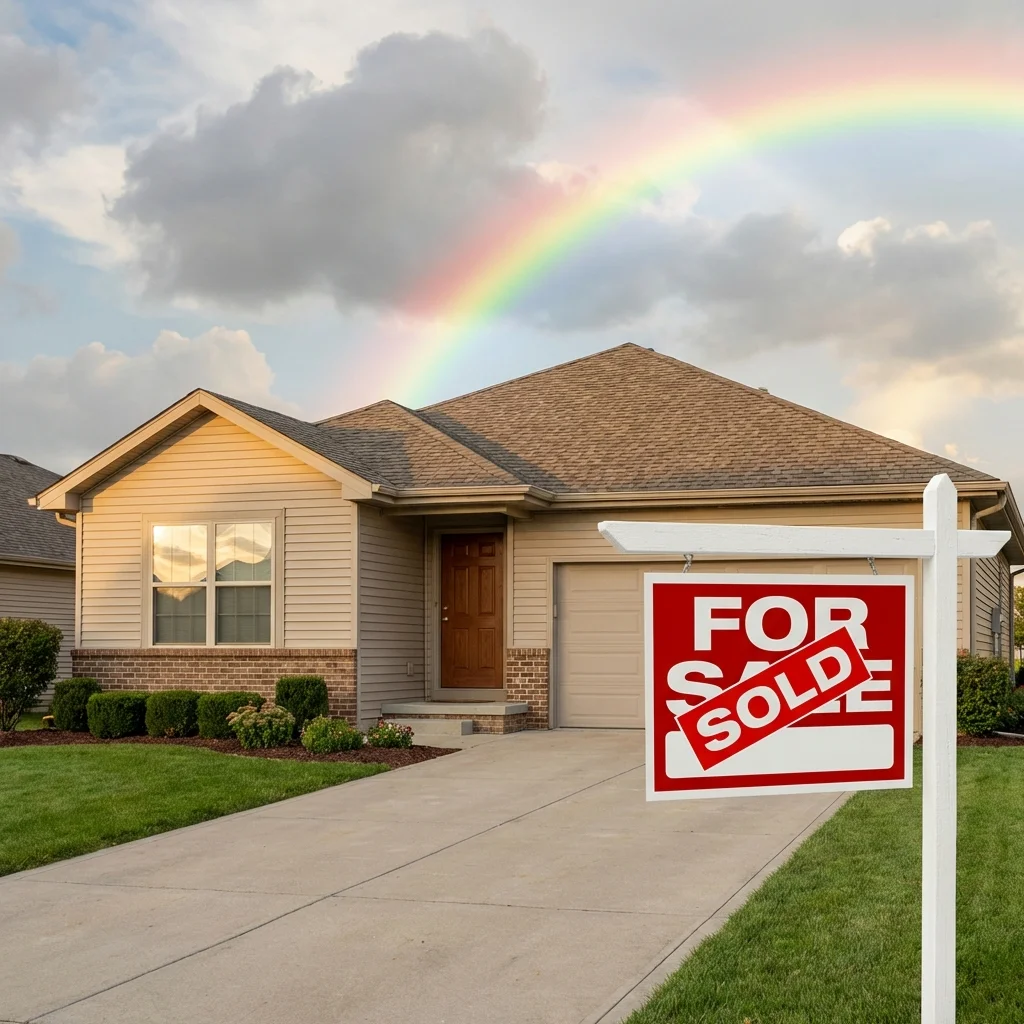
⭐ Why Home Affordability Matters for First-Time Buyers

Your home will likely be the largest purchase you ever make. Overspending can limit your ability to save, travel, or handle emergencies. Lenders use specific formulas to determine what you can afford, but understanding these numbers yourself helps you stay in control of your budget.
Key insight: Most financial experts recommend keeping your total housing costs within a safe percentage of your income to maintain long-term stability. [1]
🔢 The 28/36 Rule: The Standard for Home Affordability
The 28/36 rule remains the classic benchmark for determining comfortable and sustainable affordability.
Front-End Ratio
Of gross monthly income → maximum recommended housing expenses (mortgage, taxes, insurance).
Back-End Ratio
Of gross monthly income → maximum recommended total debt obligations (housing + car loans + student loans + credit cards).
These ratios are used by major lenders and mortgage underwriters to assess risk. [1]

🧮 How to Calculate Your Home Buying Budget
Follow these four steps to understand your true buying power before you start shopping.
1. Determine Monthly Income
Use your gross monthly income, not take-home pay. Lenders care about income stability, so consistent earnings matter more than occasional bonuses.
2. Add Up Your Debts
Include student loans, auto loans, credit card minimums, and personal loans. This helps calculate your debt-to-income ratio (DTI) — a major factor in mortgage approval.
3. Factor In Your Down Payment
A larger down payment lowers your monthly mortgage, reduces interest over time, and may eliminate PMI. The average first-time buyer puts down 6–7%.
4. Include Taxes, Insurance & HOA
These vary widely by location. Property taxes alone can add hundreds per month in some states — budget for them upfront.
Your debt-to-income ratio (DTI) is a major factor in mortgage approval. [2][3]
🏦 How Mortgage Types Affect Affordability
Different loans change how much you can afford. Here's a quick comparison:
Conventional Loans
- Minimum 3% down
- Higher credit score requirements
- Lower long-term costs if you qualify
FHA Loans
- Minimum 3.5% down
- More flexible credit requirements
- Popular among first-time buyers
VA & USDA Loans
- Zero-down options
- Restricted to eligible buyers or rural areas
- Lower upfront costs
Government-backed loans often allow higher DTIs, which can increase your purchasing power. [4]
Hidden Costs First-Time Buyers Often Forget
Many buyers focus only on the mortgage — but there's more. Here are the common expenses that catch first-time buyers off guard:
Closing costs
typically 2–5% of the purchase price
Inspection & appraisal fees
usually $300–$800 combined
Moving costs
varies by distance and volume
Immediate repairs or upgrades
plan for at least $2,000–$5,000
Did you know? According to Freddie Mac, closing costs alone average $5,000–$7,000 nationwide. [5]
💡 Tips to Increase How Much House You Can Afford
Improve your credit score
Pay down high-interest debt
Save for a larger down payment
Shop multiple lenders for better rates
Even a 0.5% difference in interest rate can save tens of thousands over the life of a loan. [6]

When Buying Less Is the Smart Move
Just because a lender approves you for a certain amount doesn't mean you should spend it. Consider:
- Job stability
- Family planning
- Emergency savings
- Lifestyle priorities
A slightly smaller mortgage can create long-term financial breathing room.
🧮 Try Our Mortgage Calculator
Run your own numbers to see what you can comfortably afford. Try different scenarios to find your sweet spot.
Loan Details
Monthly Payment Breakdown
Disclaimer: These calculations are estimates only and should not be used as the sole basis for financial decisions. Actual loan terms, rates, and payments may vary. Property taxes are estimated using Dallas County averages (~2.4%). Please consult with a qualified lender for accurate loan information and get pre-approved before making offers.
Final Thoughts
Understanding how much house you can afford empowers you to make confident, informed decisions. Use the 28/36 rule, evaluate your debts, and consider all the hidden costs. With the right preparation, you'll find a home that fits both your lifestyle and your budget.
Questions? Contact Rainbow Realtors- Consumer Financial Protection Bureau – Debt-to-income ratio guidelines
- Fannie Mae – Debt-to-income ratio standards
- National Association of Realtors – First-time buyer statistics
- U.S. Department of Housing and Urban Development – FHA loan requirements
- Freddie Mac – Closing cost averages
- Federal Reserve – Impact of interest rates on mortgage costs